

Yoruba Traditional Wedding: A Guest's Guide to the Prayer, the Dance and the Aso Oke
From alaga ijoko to the moment the groom prostrates, a walkthrough of a Yoruba traditional marriage ceremony.

Amaka Nnadi
Weddings & Fashion Editor · Fashion styling · event reporting
Contributor note: Demonstration profile for this portfolio project. Not a real Nigerian journalist.
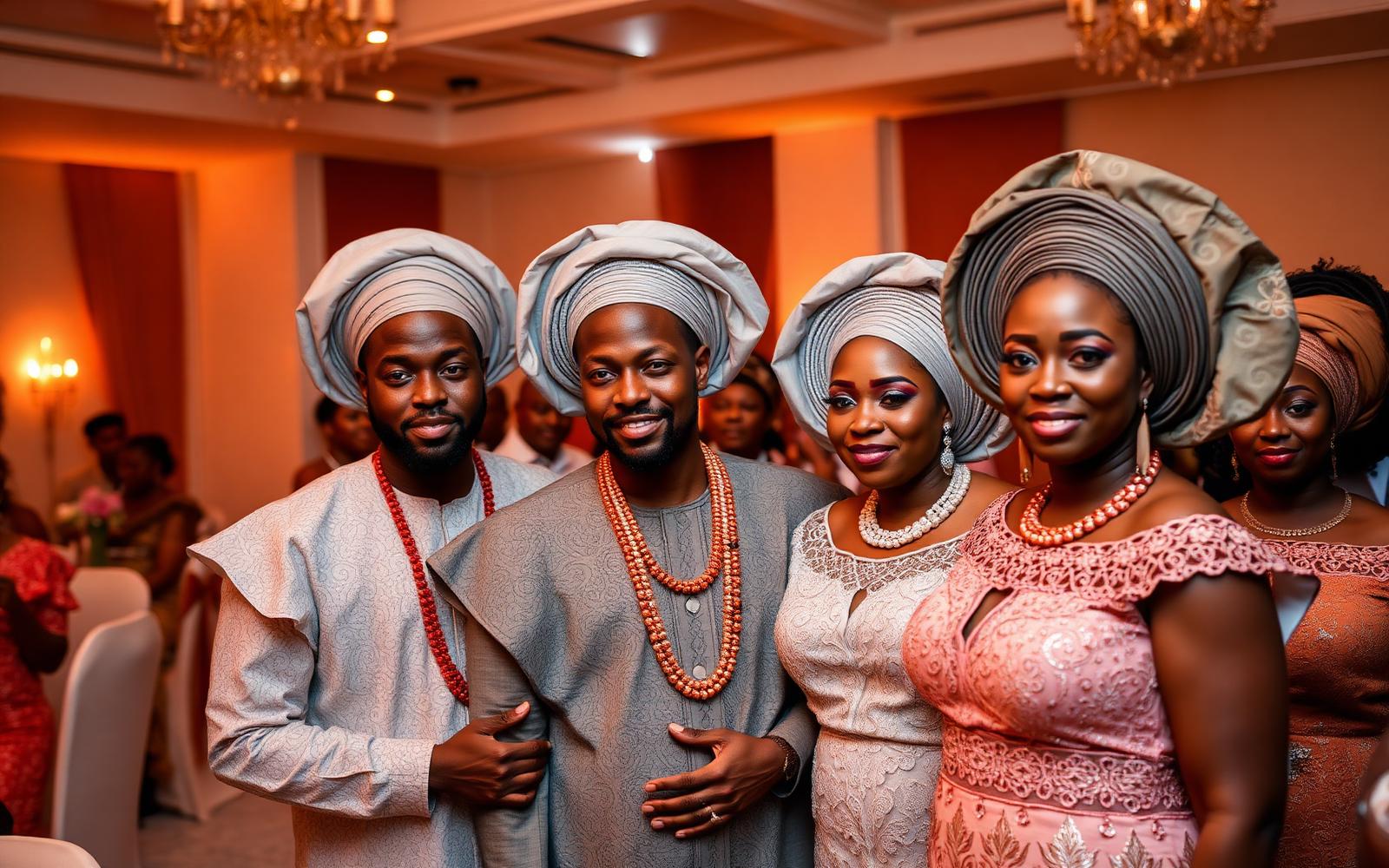
A Yoruba traditional wedding is warm, funny, deeply structured — and, for a first-time guest, sometimes confusing. Here is a friendly walkthrough of what actually happens and why.
Alaga ijoko and alaga iduro
Two masters of ceremony — one seated with the bride's family, one standing with the groom's — run the exchange. They negotiate, sing, tease and set the pace. If you have never been to a Yoruba trad before, watch them, not the couple, for the first thirty minutes.
The groom's arrival
The groom and his friends enter, are teased about being late, and eventually prostrate themselves before the bride's parents. This is not performance — it is a specific ritual of respect.
The bride's presentations
The bride is presented to the guests three times, each time asking for her groom before she reveals herself. The reveals are the crowd's favourite moments.
Aso oke, coral beads, and the gifts
The bride's family list of gifts is read aloud, item by item. Aso oke and coral beads carry ancestral weight beyond their material value. The list is often more symbolic than economic.
Story highlights
- Two alaga run the ceremony; watching them is the fastest way to follow along.
- The groom's prostration and the bride's three presentations are core rituals.
- Coral beads and aso oke carry ancestral significance beyond their price.
What people are saying
- Couples are increasingly including bilingual explanations for non-Yoruba guests.
- Alaga demand has grown as more diaspora couples plan Nigeria-based ceremonies.
- Fashion pages continue to spotlight bespoke aso oke sets from Ijebu tailors.
Where this fits in the bigger picture
This is one of several marriage stories Nigerians have followed closely in recent weeks. Amebo Central keeps track of these moments so readers get a clear timeline instead of scattered posts across different feeds.
We label every story so you know what you are reading. Verified news comes from official statements, public interviews and reporting we can point to. Rumour is clearly marked as rumour. This piece is filed as verified based on editorial reporting.
What to watch for next
Follow the Marriage section for updates. If new details emerge — an interview, a clarification or an official statement — we will update this article with a note at the top and a fresh publication timestamp.
If you have a tip or a correction, email the editorial desk. We check every submission before publishing anything based on it.
Story highlights
- Two alaga run the ceremony; watching them is the fastest way to follow along.
- The groom's prostration and the bride's three presentations are core rituals.
- Coral beads and aso oke carry ancestral significance beyond their price.
What people are saying
- Couples are increasingly including bilingual explanations for non-Yoruba guests.
- Alaga demand has grown as more diaspora couples plan Nigeria-based ceremonies.
- Fashion pages continue to spotlight bespoke aso oke sets from Ijebu tailors.