

Igbo Traditional Marriage: A Plain-Language Guide to the Ceremony
From igba nkwu to the wine-carrying moment, a friendly walkthrough of an Igbo traditional wedding for guests and couples alike.

Amaka Nnadi
Weddings & Fashion Editor · Fashion styling · event reporting
Contributor note: Demonstration profile for this portfolio project. Not a real Nigerian journalist.
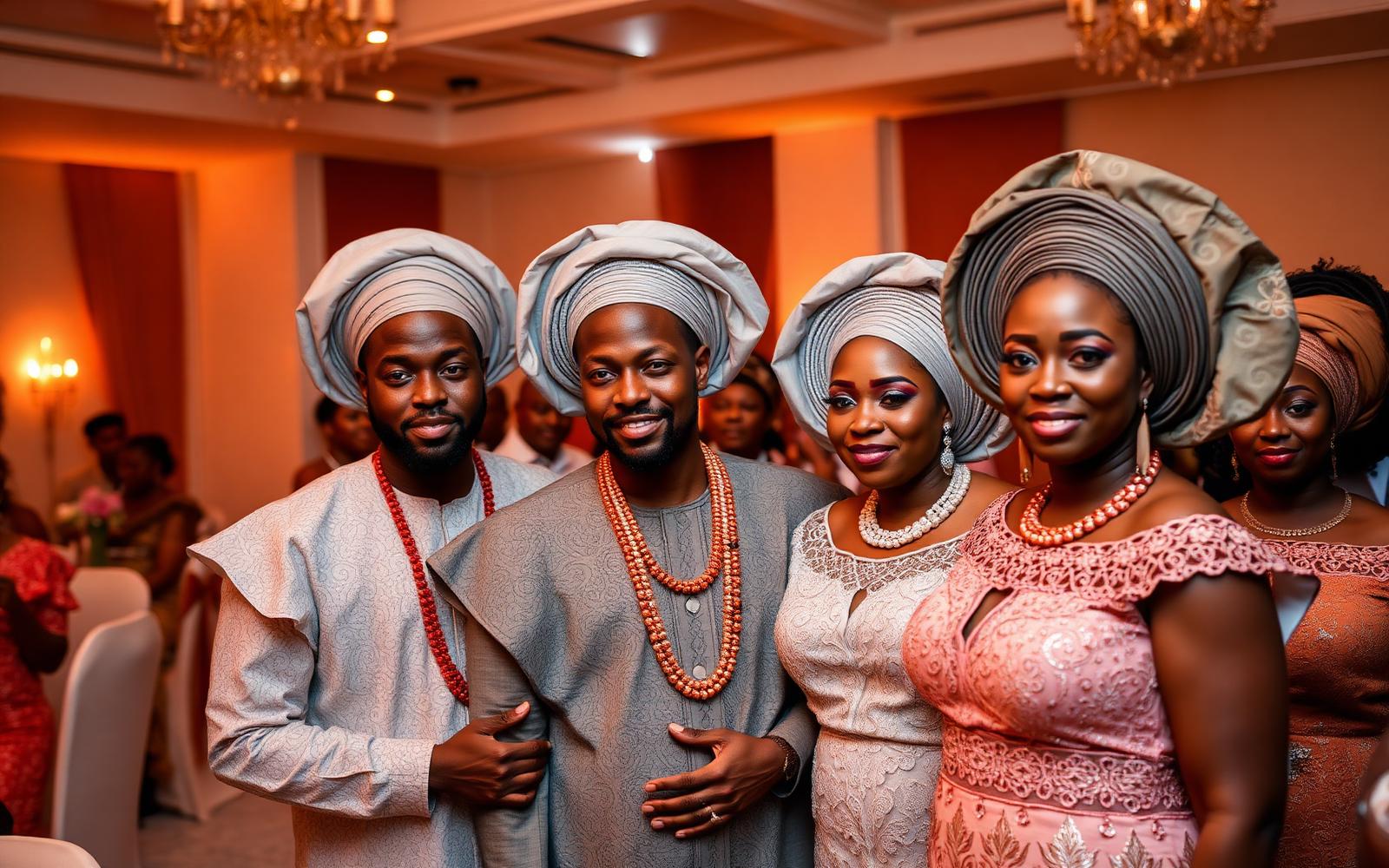
Igbo traditional marriage — often shortened to 'trad' — is one of the most photographed ceremonies on Nigerian Instagram. It is also frequently misunderstood by first-time guests. This guide walks through the main stages in plain English.
Iku aka: the knock
The formal introduction. The groom's family visits the bride's family with kola nut, wine and small gifts. Intentions are declared and a date is set for the next stage. This is not the wedding — this is the polite door-knock before the wedding.
Iju ese: the enquiry
The bride's family takes time to make enquiries about the groom's family and character. In modern practice this stage can be short, especially where the two families already know each other, but the principle — 'we do not marry a stranger' — still holds.
Igba nkwu: the wine-carrying
The moment everyone photographs. The bride is presented with a cup of palm wine and searches the hall for her groom. Once she finds him, she kneels, offers him the cup, and he drinks from it. Then they walk to her father together to be blessed. This is the wedding.
Ime ego: the bride price
Handled privately between the families before the day. The list traditionally includes a symbolic bride price alongside gifts. Contemporary families vary widely in how strictly they follow older lists — many keep the ritual and modernise the specifics.
Story highlights
- Igba nkwu — the wine-carrying — is the ceremonial heart of the day.
- The full sequence has four main stages: knock, enquiry, wine-carrying, bride price.
- Bride-price practices vary widely between families; most keep the ritual and modernise the specifics.
What people are saying
- Younger couples are asking for shorter, more intimate versions of the traditional day.
- Photographers say the wine-carrying is still the most photographed moment on Instagram.
- Some families are combining the traditional and church weddings into a single weekend to save costs.
Where this fits in the bigger picture
This is one of several marriage stories Nigerians have followed closely in recent weeks. Amebo Central keeps track of these moments so readers get a clear timeline instead of scattered posts across different feeds.
We label every story so you know what you are reading. Verified news comes from official statements, public interviews and reporting we can point to. Rumour is clearly marked as rumour. This piece is filed as verified based on editorial reporting.
What to watch for next
Follow the Marriage section for updates. If new details emerge — an interview, a clarification or an official statement — we will update this article with a note at the top and a fresh publication timestamp.
If you have a tip or a correction, email the editorial desk. We check every submission before publishing anything based on it.
Story highlights
- Igba nkwu — the wine-carrying — is the ceremonial heart of the day.
- The full sequence has four main stages: knock, enquiry, wine-carrying, bride price.
- Bride-price practices vary widely between families; most keep the ritual and modernise the specifics.
What people are saying
- Younger couples are asking for shorter, more intimate versions of the traditional day.
- Photographers say the wine-carrying is still the most photographed moment on Instagram.
- Some families are combining the traditional and church weddings into a single weekend to save costs.